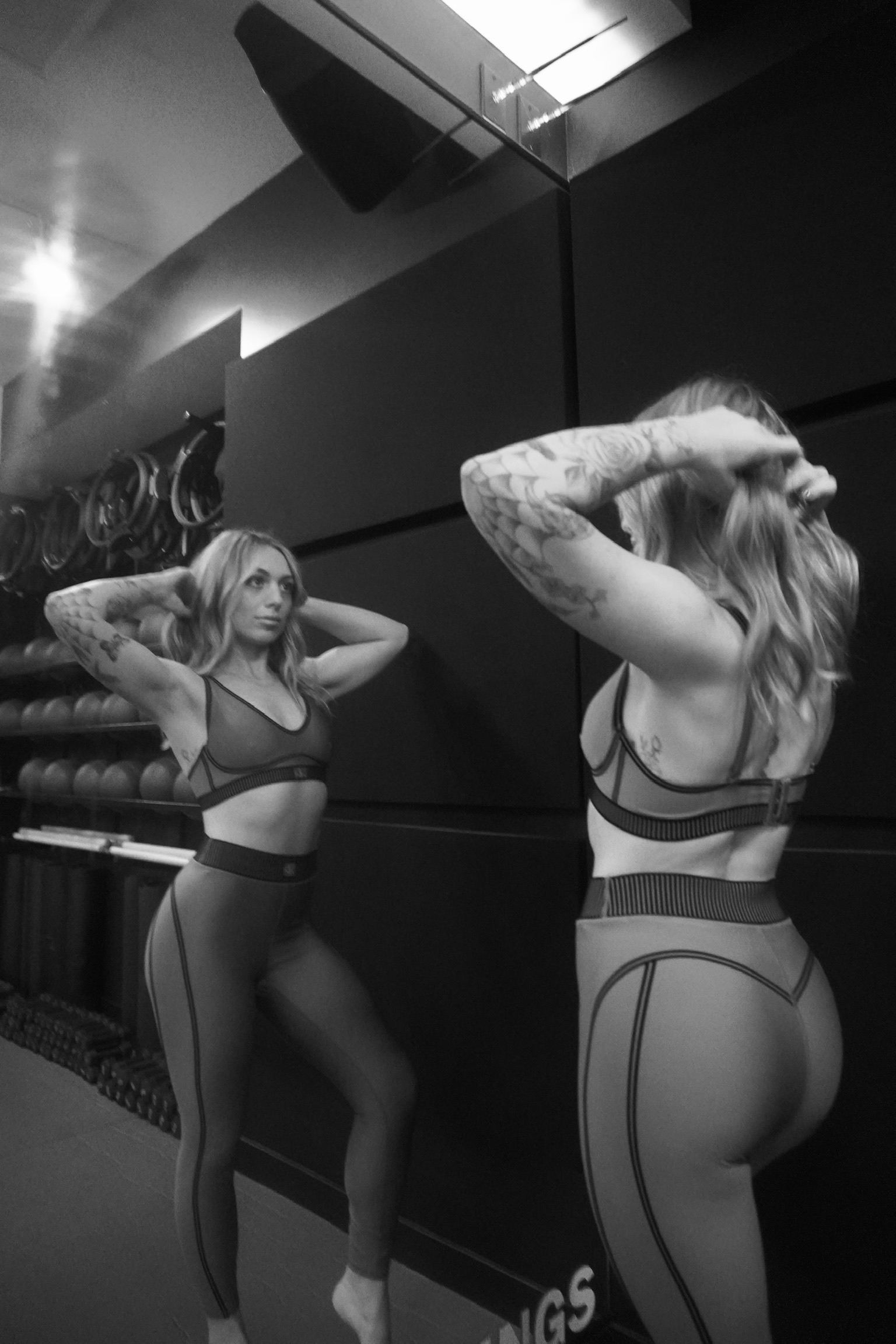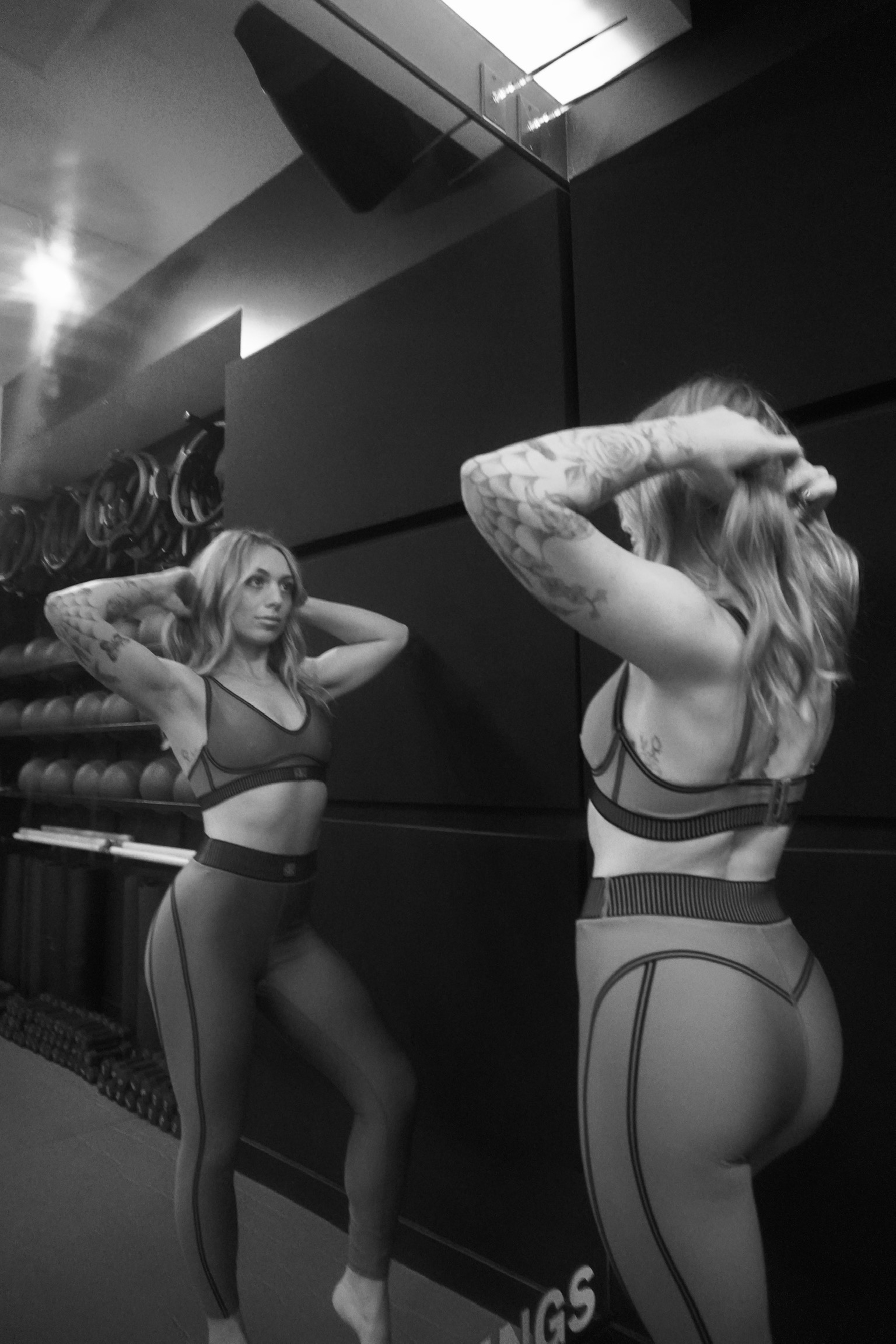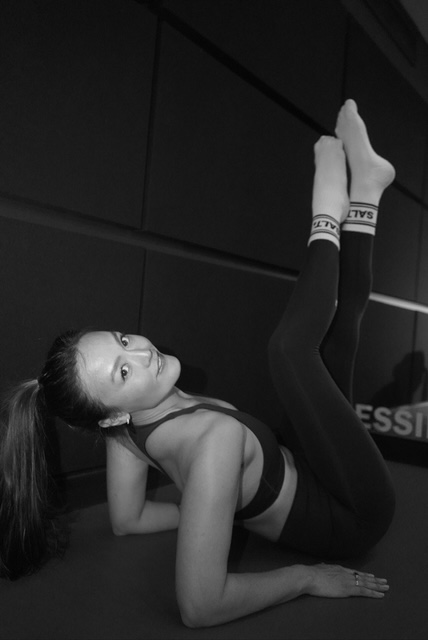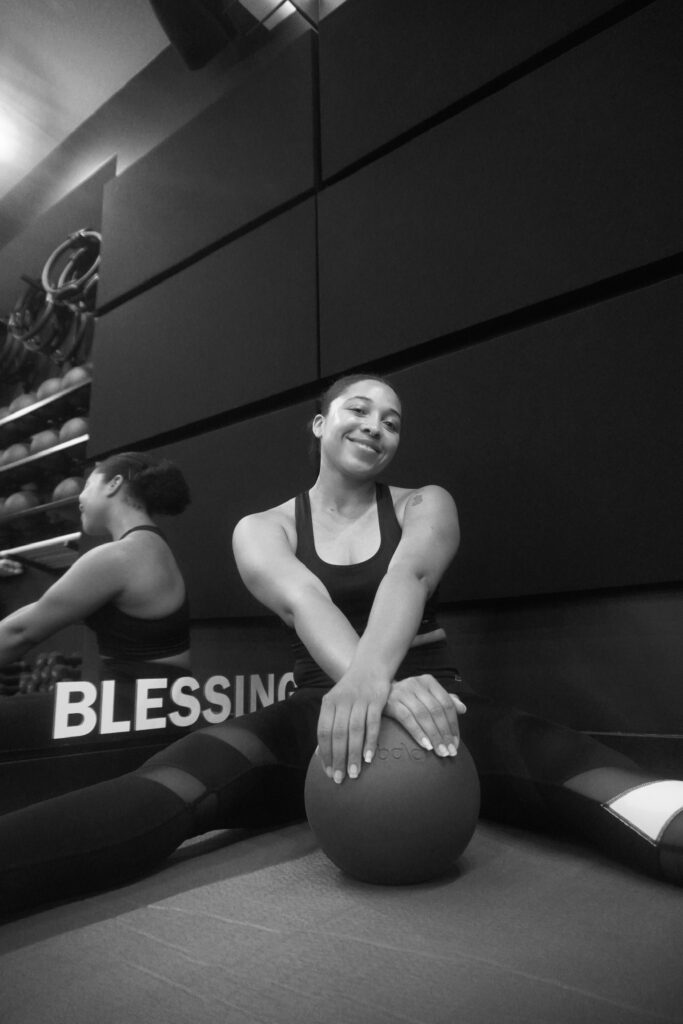



At SALTVAULT of Little Italy, clients often ask about the type of heat used in Hot Pilates classes and how it affects their workout. Heat plays a significant role in how the body responds during Pilates, influencing muscle engagement, endurance, and overall comfort. Two common heating approaches in hot fitness studios are infrared heat and traditional forced-air heat. While both raise the room temperature, they create very different experiences on the mat.
Understanding these differences helps clients choose classes aligned with their goals, comfort level, and training preferences.
Understanding Traditional Heated Studios
Traditional heat relies on warming the air inside the studio using HVAC-style systems or heaters. The room temperature rises evenly, creating a warm environment from wall to wall. This style of heat feels familiar, like stepping into a warm room or a sauna-like space.
In Hot Pilates, traditional heat helps muscles warm quickly, allowing smoother movement and reducing stiffness. Sweating occurs as the body works to cool itself, which increases perceived intensity. Many people enjoy this style because it feels immersive and consistent throughout the room.
However, traditional heat warms the air first, then the body. Some clients notice heavier air or humidity buildup during longer sessions, especially when the room fills with movement and breath.
How Infrared Heat Works Differently
Infrared heat operates on a different principle. Instead of heating the air, infrared panels emit radiant heat that warms objects and bodies directly. The room temperature may feel lower at first, yet the body heats quickly once movement begins.
During Hot Pilates, infrared heat helps warm muscles from the inside out. Many clients report feeling deeply warm without the same level of heavy air or humidity. Sweat still happens, but the heat often feels drier and more targeted.
Infrared heat supports joint comfort and muscle elasticity, which benefits controlled Pilates movements that rely on precision and alignment.
Comparing Comfort and Breathing
Comfort matters during Pilates, especially when holding positions and focusing on breath. Traditional heat fills the room evenly, but some clients feel the air becomes dense as class progresses. Breathing may feel heavier for those sensitive to humidity.
Infrared heat keeps the air clearer, since the system does not rely on heating circulating air. Many clients find breathing feels easier, especially during longer holds or core-focused sequences.
Both heat styles support warming muscles, but the sensory experience differs noticeably.
Impact on Muscle Engagement and Endurance
Hot Pilates builds strength through sustained effort rather than explosive movement. Traditional heat challenges endurance by increasing overall heat load, encouraging the body to adapt through sweat and stamina.
Infrared heat reaches deeper into muscle tissue, resulting in greater intensity. This allows muscles to stay warm and engaged without needing extremely high air temperatures. Clients often feel strong, steady engagement rather than overwhelming heat.
Neither heat style changes the Pilates method itself, but each influences how the effort feels during class.
Which Heat Style Fits Your Goals
Clients seeking a classic hot studio feel often prefer traditional heat. It delivers consistent warmth and a familiar intensity many associate with hot workouts.
Clients who value breathable air, joint comfort, or deeper muscle warmth often lean toward infrared heat. This style supports focused movement and longer holds without excessive heat buildup.
At SALTVAULT, class design prioritizes safe, effective movement regardless of heating method. Instruction, alignment cues, and pacing matter more than the heat source alone.
Experience Hot Pilates at SALTVAULT
Heat enhances Hot Pilates, but it works best when paired with expert instruction and intentional programming. At SALTVAULT of Little Italy, our Hot Pilates classes focus on strength, control, and mindful movement within a carefully managed heated environment.